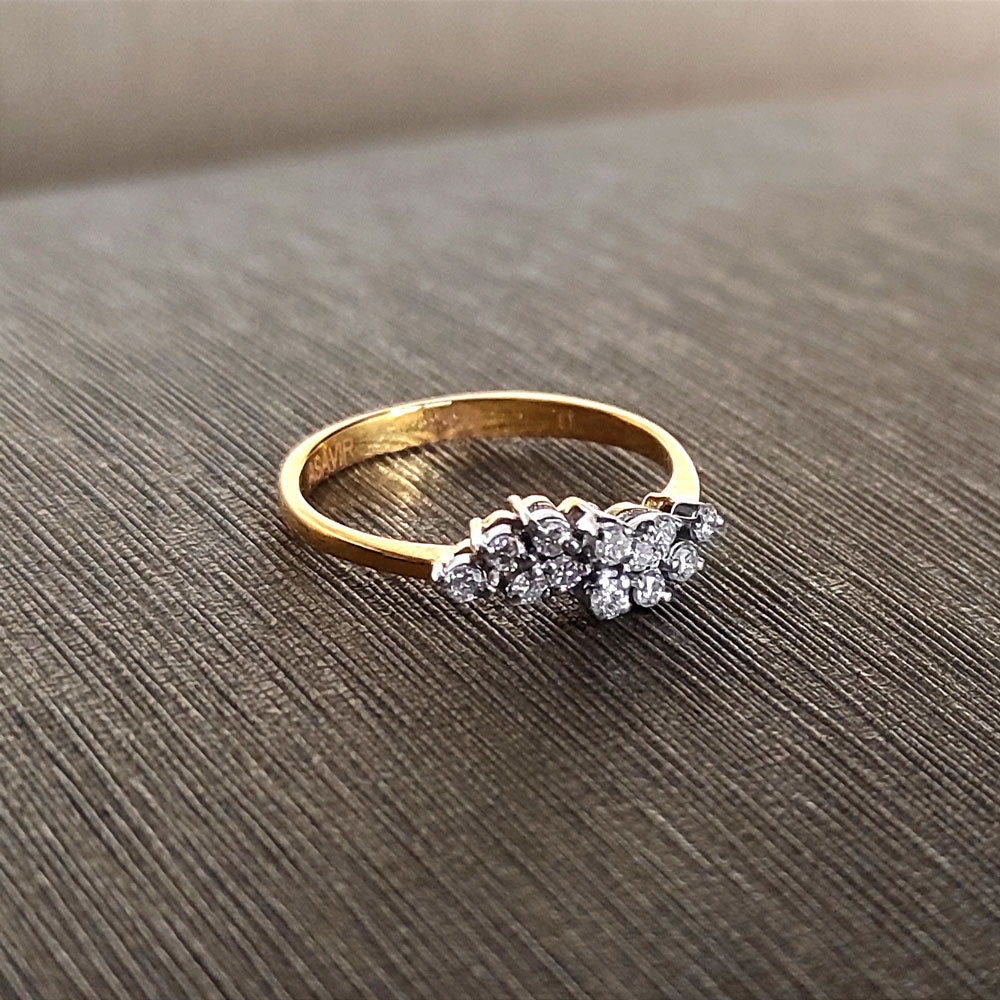
Lab-Grown Diamonds: Understanding HPHT and Other Lab-Created Gems
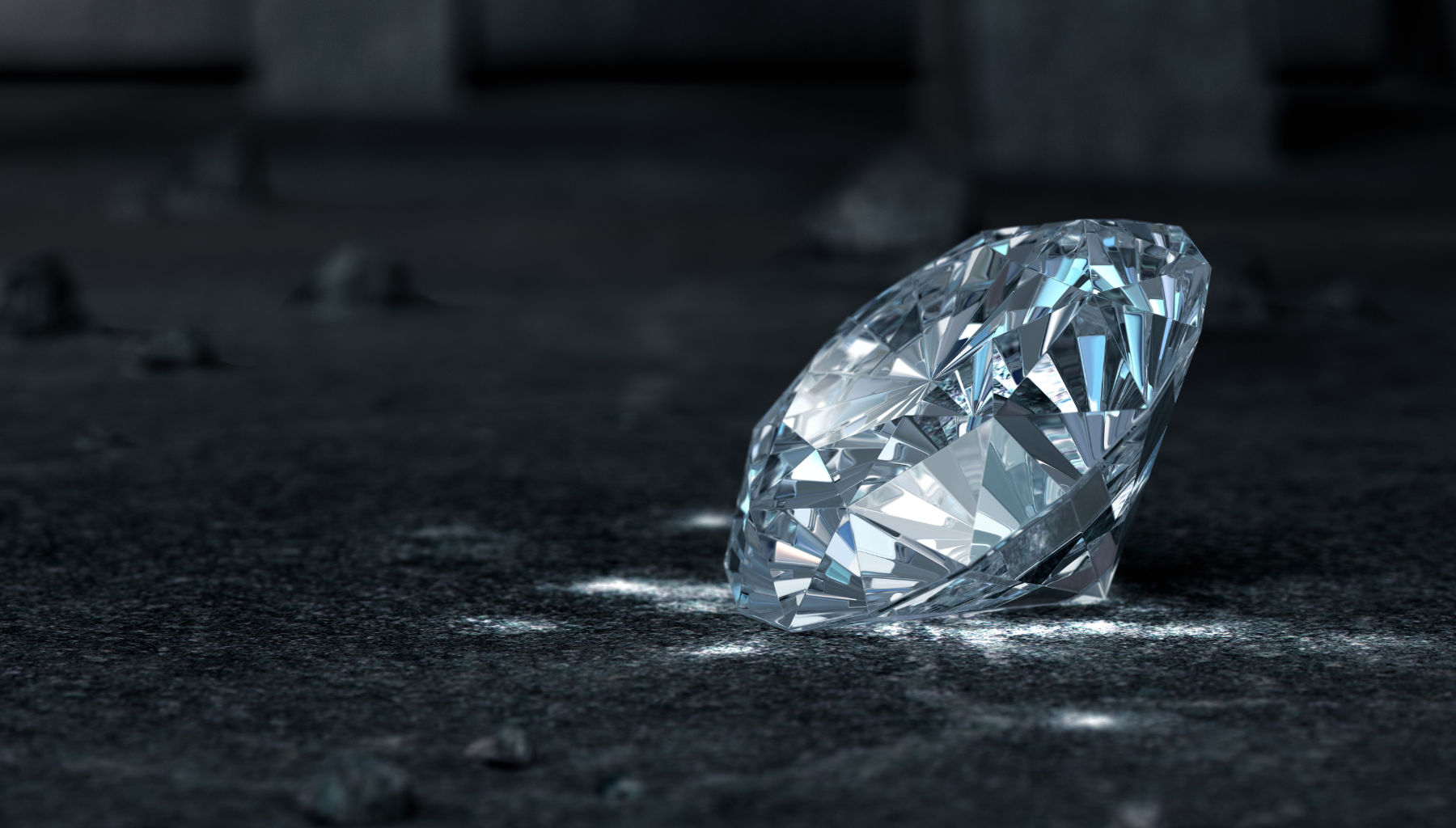
In recent years, lab grown diamonds hpht have gained substantial popularity as both a sustainable and cost-effective alternative to natural diamonds. With advancements in technology, synthetic diamonds are now virtually indistinguishable from their mined counterparts, offering consumers an ethical, eco-friendly, and affordable option. Among the two primary methods of producing these diamonds—High Pressure High Temperature (HPHT) and Chemical Vapor Deposition (CVD)—HPHT has a long-standing history and remains a critical process in the lab-grown diamond industry.
What Are Lab-Grown Diamonds?
Lab-grown diamonds, also known as synthetic or man-made diamonds, are created in controlled laboratory environments using advanced technological processes that replicate the conditions under which natural diamonds form in the Earth’s mantle. Despite being man-made, lab-grown diamonds are real diamonds, composed of pure carbon crystallized in an isotropic 3D form—just like natural ones.
The main distinction lies in their origin. Natural diamonds form over billions of years under extreme pressure and temperature deep within the Earth. In contrast, lab-grown diamonds are produced in weeks or months through engineered processes. Despite the difference in origin, lab-grown diamonds exhibit the same physical, chemical, and optical properties as natural diamonds.
HPHT: High Pressure High Temperature
The HPHT method is one of the oldest and most established techniques for creating lab created diamonds. Developed in the 1950s, this method simulates the natural diamond-forming conditions by subjecting carbon to extremely high pressures (around 5 GPa) and temperatures (above 1,500°C).
How It Works:
- A small diamond seed is placed in a chamber with a carbon source (usually graphite).
- The chamber is subjected to intense heat and pressure, mimicking the natural environment of diamond formation.
- Carbon atoms begin to crystallize on the seed, gradually forming a larger diamond.
HPHT diamonds are typically yellowish or brownish in color due to the presence of nitrogen impurities, although modern techniques can produce near-colorless or colorless stones. Additionally, post-growth treatments can improve clarity and color.
Advantages of HPHT Diamonds:
- Lower production cost compared to some CVD diamonds.
- Ideal for producing high-quality melee (small) diamonds used in jewelry.
- Can be used to improve the color of both lab-grown and natural diamonds.
CVD: Chemical Vapor Deposition (Brief Overview)
While HPHT is a robust and well-established method, many modern manufacturers also use the CVD method, which grows diamonds from a hydrocarbon gas mixture in a vacuum chamber. CVD offers better control over the diamond’s purity and growth conditions, often producing higher-clarity stones.
Some CVD diamonds may still undergo HPHT treatment after initial growth to enhance their color and crystal structure.
Lab-Grown vs. Natural Diamonds
From a gemological perspective, lab-grown diamonds are indistinguishable from natural diamonds to the naked eye. Only advanced testing equipment in specialized gem labs can identify whether a diamond is lab-grown or mined.
Key Differences:
| Feature | Lab-Grown Diamonds | Natural Diamonds |
|---|---|---|
| Origin | Created in labs | Formed in Earth’s mantle |
| Environmental Impact | Lower | Higher (mining impact) |
| Cost | 30-40% less expensive | Higher due to rarity |
| Ethical Concerns | Minimal | Potential for conflict mining |
| Availability | Controlled and abundant | Limited by nature |
Because lab-grown diamonds are more sustainable and traceable, they are becoming the preferred choice for eco-conscious consumers.
Applications of HPHT Lab Diamonds
HPHT diamonds are used in a variety of industries beyond jewelry, including:
- Electronics: Due to their excellent thermal conductivity, diamonds are used in semiconductors and heat sinks.
- Cutting and Drilling Tools: HPHT diamonds are utilized in industrial-grade cutting tools and drill bits.
- Medical Devices: Their biocompatibility makes diamonds useful in medical imaging and surgical instruments.
Debunking Common Myths
“Lab-grown diamonds are fake.”
False. Lab-grown diamonds are chemically and physically the same as natural diamonds. The term “fake” applies to simulants like cubic zirconia or moissanite.
“Lab-grown diamonds have no value.”
While they may not retain value like rare natural diamonds, they still carry significant worth—especially in terms of technological innovation, sustainability, and consumer appeal.
“Only experts can tell them apart.”
True. Only with specialized equipment can gemologists distinguish lab-grown diamonds from natural ones. They are identical to the naked eye.
Future of the Diamond Industry
As technology evolves, the quality and size of lab grown diamonds hpht continue to improve. The jewelry market, once dominated by traditional mined diamonds, is now undergoing a shift as consumers become more aware of environmental and ethical issues.
Millennials and Gen Z, in particular, are driving demand for sustainable and responsible luxury. With companies now offering traceable, conflict-free diamonds through HPHT and CVD methods, the lab-grown diamond sector is poised for continued growth.
Conclusion
Lab-grown diamonds, especially those produced through HPHT, offer a compelling alternative to natural diamonds. They combine brilliance and durability with sustainability and affordability. As awareness grows, so does acceptance, making lab-created diamonds an exciting and revolutionary option for modern consumers.
Whether you’re shopping for an engagement ring or investing in high-tech materials, understanding how HPHT diamonds are made and how they compare to natural diamonds empowers you to make informed choices. The future of diamonds is here—and it’s grown in a lab.